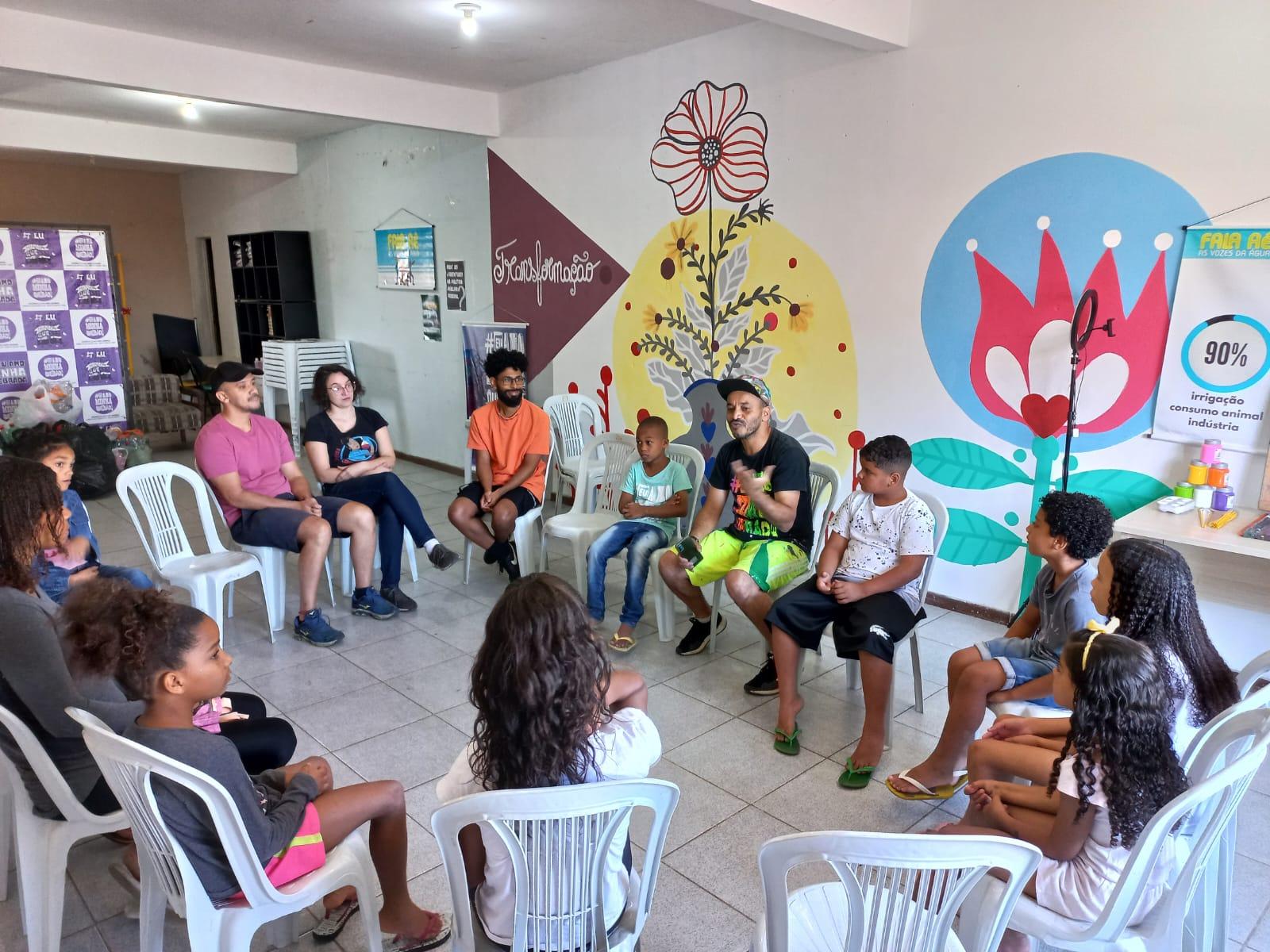
On the last 10.06, during Environment Week, happens in the Morro do Papagaio, a peripheral community in Belo Horizonte, a workshop for kids about environmental consciousness and the necessity to build regenerative solutions.
The initiative is part of the Movement Eu Amo Minha Quebrada activities, which received the support of Blcktopia, Blockchain na Escola, and Detrash, building a regenerative finance solution: turn residues into social benefits for the project.
The Recicla Kids at Morro do Papagaio, Belo Horizonte, Brazil
The Recicla Kids at Morro do Papagaio, Belo Horizonte, Brazil
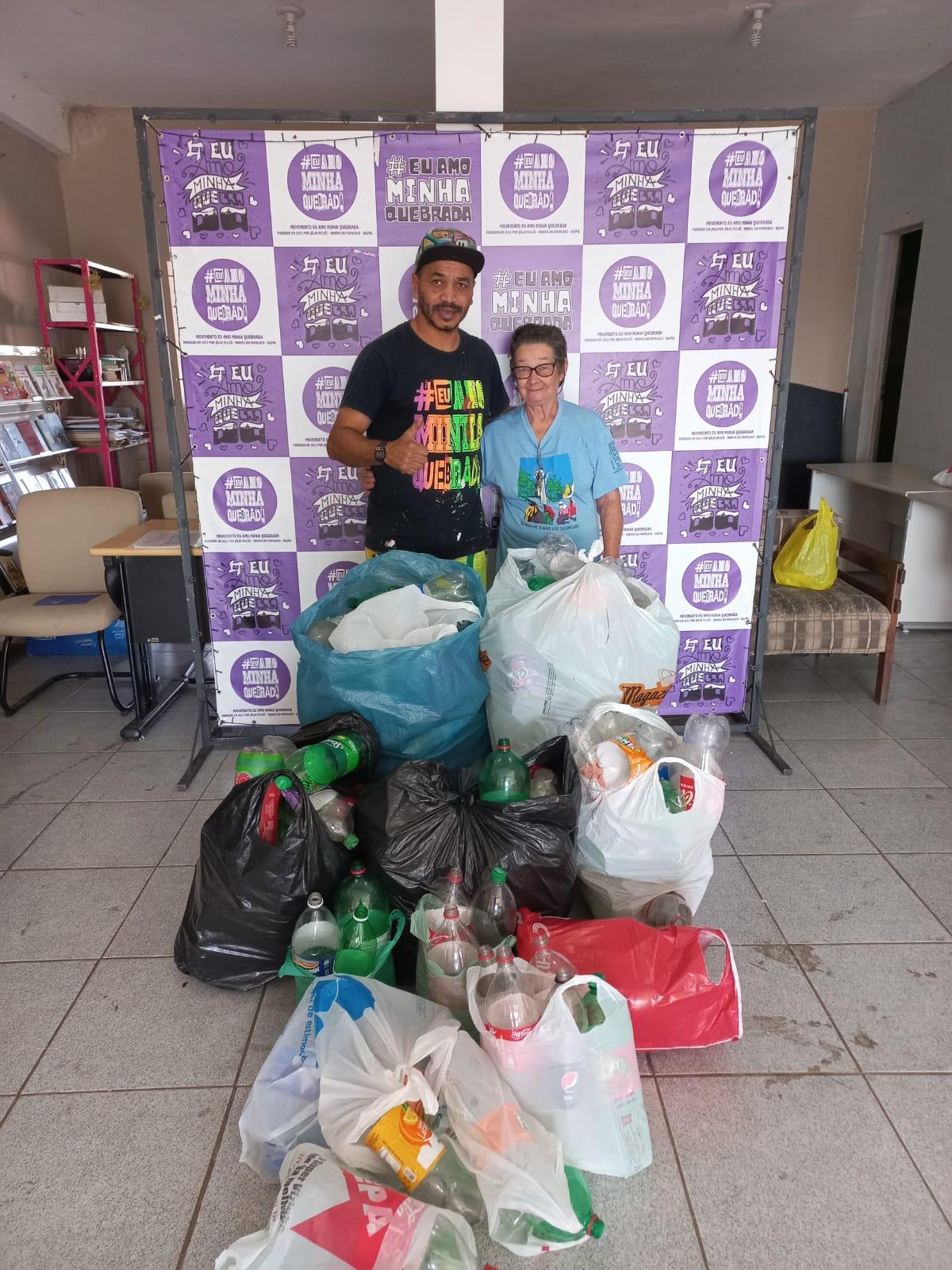
Throughout the week was a proposed challenge for the kids to recycle at least 20 plastic bottles each. The results can be viewed below, around 10 kilos were recycled, and more than 220 bottles were collected from the environment
In your speech, Julio Fessô, founder and social leader, talked about the necessity of the community developing environmental solutions and alternatives that would change the quality of life, improving basic sanitation, street cleaning, and the control of trash and pests.
“here was like an orchard, there were apple trees, banana, avocado, and other fruits, today has nothing or almost nothing, this need changes, we need to turn our community into a sustainable community, and we need to learn to make vegetable gardens, vertical and horizontal, green roofs”
In the round of discussion, kids were tested with some topics around the environmental debate, such as which regenerative initiatives can be implemented or which behavior should be incentivized by the local people.
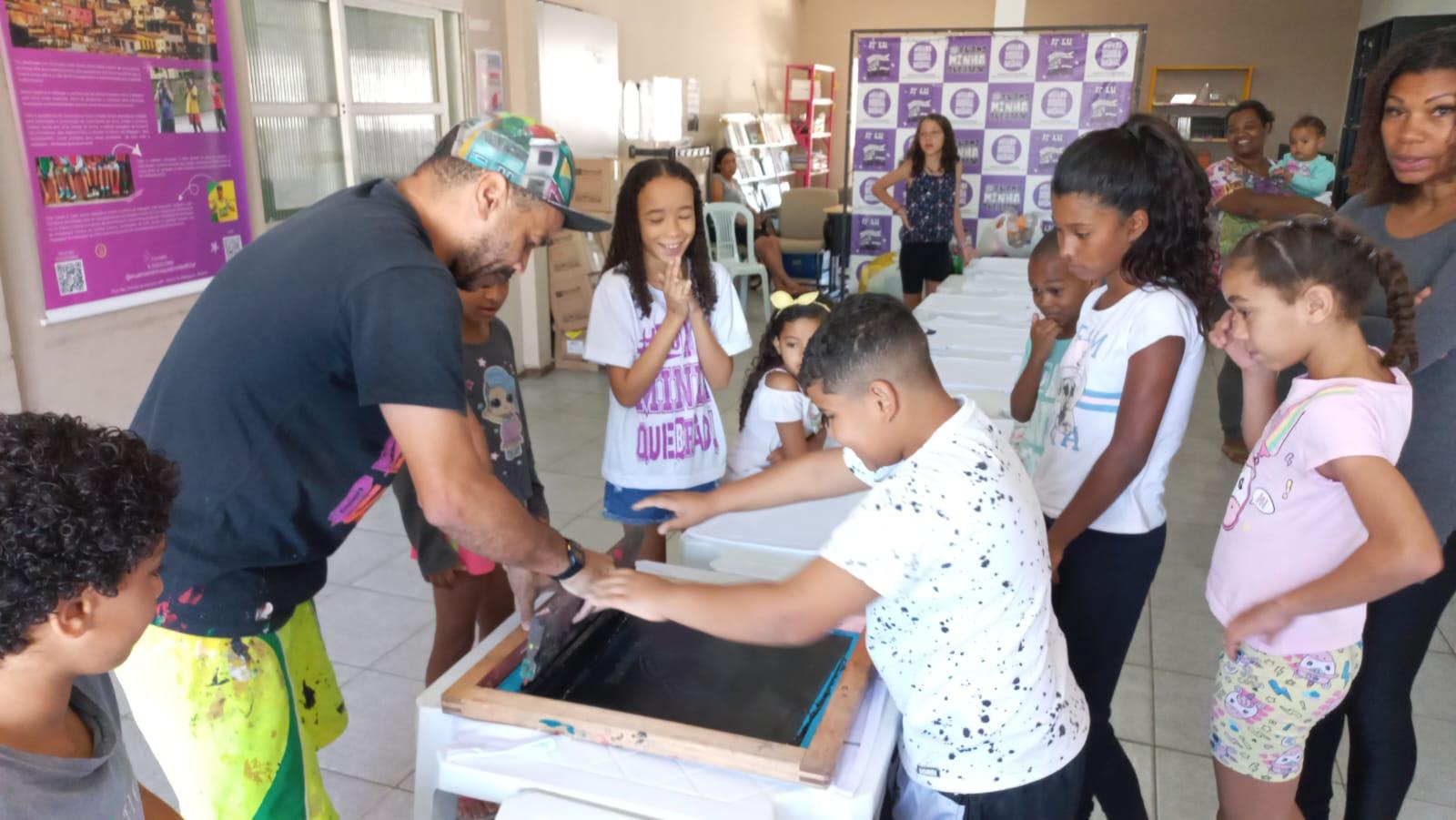
The kids then learned how to make a shirt silkscreen through the serigraphy and had the opportunity to make their own shirts and paint them, with the Recicla Kids logo and the theme about recycling.
Kids learning about serigraph with the theme of recycling
Kids learning about serigraph with the theme of recycling
Regenerative Solution
The result of the workshop was incredible had collected plastic waste that was delivered to a waste picker that lives in the community. Still, before that, the residue was counted and weighed to be tokenized in the Detrash platform when the cRecy token was generated and converted resources for the project and community.
The Detrash also supports the initiative with investments and sponsors that will be used for social assistance in the community.
This is an example of how regenerative finance can support real solutions and change communities, making it possible to achieve your goals.
The waste was delivered to a collector who lives in the community
The waste was delivered to a collector who lives in the community